

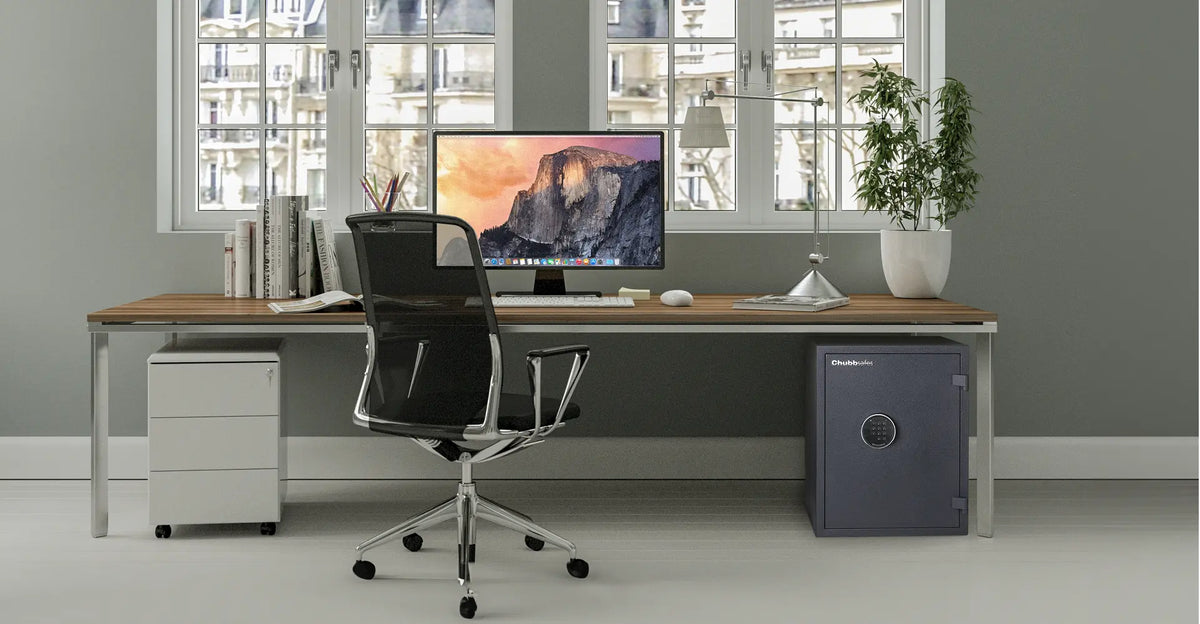
Choosing the right safe isn't about picking the heaviest or flashiest steel box with a digital keypad. A safe should be appropriate for the items that you intend to store and offer an adequate level of security. Storing personal passports and jewelry differs considerably from protecting cash, confidential files, and high-value stock. In the UAE, where houses, offices, retail shops, hotels, and commercial premises coexist, it is critical to compare options before buying a safe. You will need to evaluate what you need to protect, the risks, the locking system and general security level, and whether you will need any additional services.
This article explains how to choose the right safe for your home or business in the UAE, including the features and specifications to consider before buying.
Determine what items you need to protect
Before comparing safe models, list the items you will store in the safe. This seemingly obvious step will help you avoid overpaying for features that you will never use and selecting a safe with insufficient security.
For example:
Cash and business takings: a safe designed for cash holdings with the appropriate burglary level of security
Passports, contracts, and property papers: the necessary internal space and, possibly, fire protection for paper
Jewelry and watches: internal capacity and organization, accessibility, and resistance to unauthorized access
Digital and electronic records: verify whether the safe is certified to protect the particular media (paper, USB, hard drive, and others); note that fire protection for paper does not automatically extend to other media.
Business records and files: the necessary internal space, user access levels if applicable
Remember that different items require different protection levels and that the safe must resist the particular threats that you are likely to encounter. For example, replacing a lost passport may be inconvenient, but losing original documents or valuable business records poses far greater risks. The higher the value and/or sensitivity of the stored items, the more carefully you should evaluate the safe’s documented security performance.
Select the appropriate type of security safe
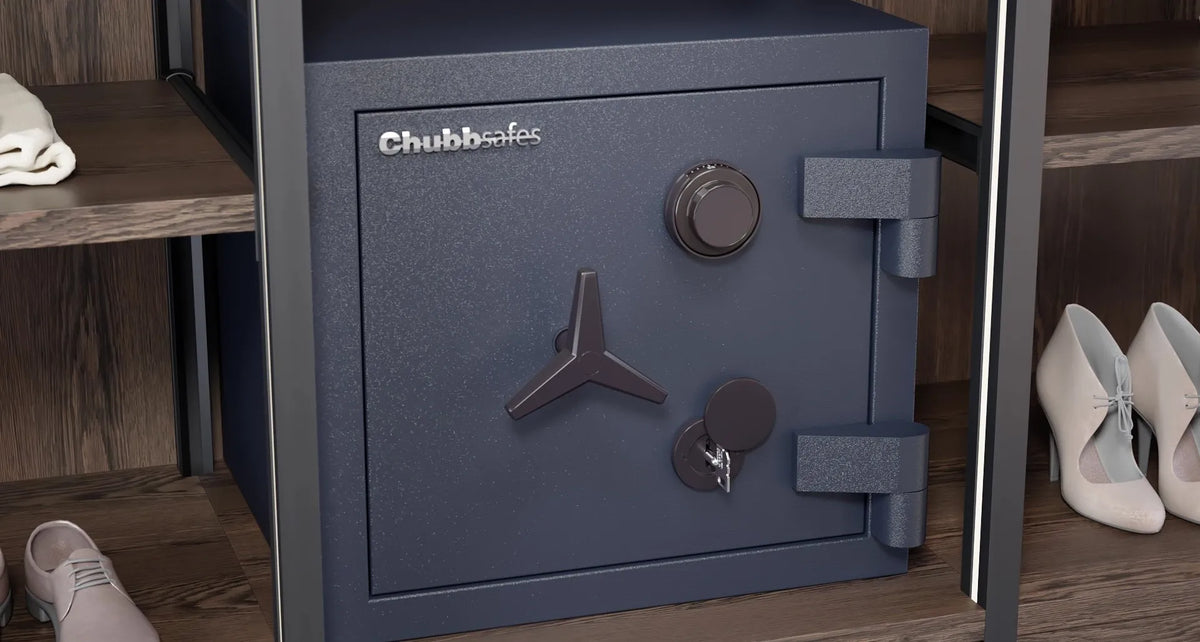
There are multiple safe categories, and the most important consideration is the intended use. A home safe typically stores personal documents, jewelry, emergency cash, and similar low-value, easily portable items. Depending on its intended use, a home safe may also offer enhanced burglary protection or special fire resistance. When comparing home security safes in the UAE, also consider the installation location, whether the safe can be properly anchored, and whether fire or burglary protection is the priority.
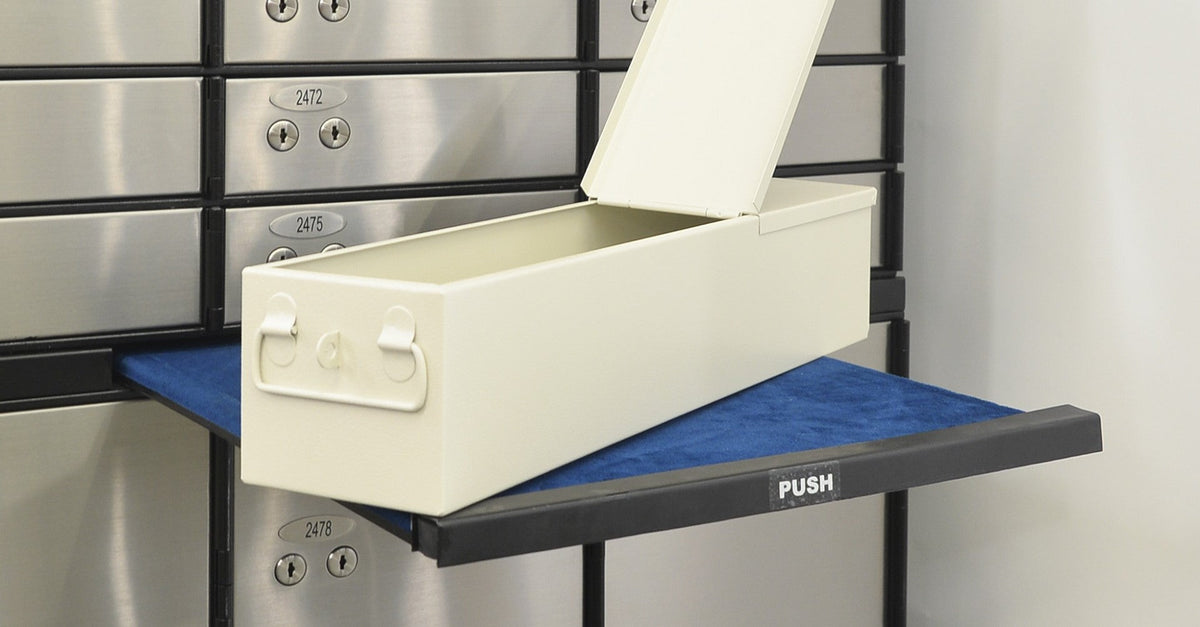
An office or commercial safe, on the other hand, can store cash, documents, valuable inventory, or other high-value items. A retail shop, professional office, hotel, or jewelry store will have vastly different safety needs. Compare the safe’s contents, level of protection, user access, and overall organization. A safe with increased burglary protection and reinforced walls is not necessarily appropriate for all users or locations.
A fire-resistant safe is designed to resist fire for a specific period under specific conditions. Fire resistance and burglary resistance are two separate concepts. A fire-resistant safe may protect paper documents, contracts, or passports in a fire, but it may offer insufficient protection against burglary attempts.
By contrast, a burglary-resistant, high-security safe typically offers greater protection against unauthorized access. When comparing burglary-resistant safes, verify independently tested and certified burglary-resistance levels. Safes with increased levels of burglary protection typically undergo special testing in accordance with EN 1143-1:2008+A1:2016, a burglary resistance standard for safes and other storage units.
Compare burglary and fire protection levels
When choosing a safe, consider the risks you are likely to face. Essentially, there are two types of threats: fire and burglary. Other threats, such as water damage or unauthorized electronic access, are less common.
How to choose the level of fire protection
In general, choosing the level of fire protection involves comparing the safe’s characteristics and features, such as the content protection classification and test standard. For example, EN 15659:2016 specifies requirements for light fire-resistant storage units to protect paper media. It covers the LFS 30 and LFS 60 classifications, which refer to the specific test conditions. Note that these classifications do not apply to all types of content or construction.
If this is your main concern, read our guide to choosing a fire-resistant safe in the UAE.
How to choose the level of burglary protection
When comparing burglary protection, you will typically need to verify documented burglary resistance classification and test conditions.
EN 1143-1:2008+A1:2016, a burglary resistance standard for safes and other storage units, covers the requirements and test methods in relation to burglary resistance for a range of burglary-resistant storage units. In general, compare certified burglary protection levels and ensure the safe is appropriate for its intended use.
A reinforced safe with a thick door and body is not necessarily more burglary-resistant just because of its construction. It is important to analyze the threat level, the intended use, and the documented performance of the safe. For commercial use, also check whether an insurance policy, contract, or industry regulations stipulate specific requirements. Request specific documentation rather than relying on general information.
Choose the appropriate size and capacity
A safe must have sufficient internal capacity to store the items that you need to protect. Also consider future needs and ensure the chosen safe can accommodate additional items. Compare the safe's internal dimensions and organization with the items you need to store. Also, choose a portable, easy-to-install safe, and make sure the location and room size are appropriate. Ask yourself the following questions:
-
Will I store passports, watches, or documents in folders and large files?
-
Will I need additional storage space for items of various sizes or shapes?
-
Can I access the contents I need even when the safe is only partially open?
-
Can I relocate the safe and install it where I want?
-
Will I need additional space in the future?
For example, a small safe can be an excellent choice in a house or apartment, but it can also be insecure and difficult to use if there are too many items. An office safe may need additional space for cash bags, inventory, or documents. Measure the room or intended location before purchasing a safe. Remember that internal space affects protection levels, and overall size, wall and door thickness, and shape determine the safe’s portability and installation requirements.
Compare digital, key, mechanical, and biometric locks
The locking mechanism is essential because it affects the safe's safety, convenience, and cost. In practice, the choice of a particular lock mechanism depends on the user's needs and preferences. However, you should consider a few key factors before purchasing a safe.
| Lock type | Potential advantages | Notes |
| Key lock | Straightforward operation without requiring electricity | Keys must be distributed and stored securely. |
| Mechanical combination | Straightforward operation without requiring electricity | Distribute and store the combination securely. |
| Electronic keypad | Easy access with a numerical or alphanumeric code | Check battery replacement and emergency access procedures. |
| Biometric lock | Possibly enhanced security | Verify the technology's reliability and the emergency access procedure. |
An electronic lock is not inherently safer than a mechanical lock. When comparing safe security, consider all components, including the safe walls, door reinforcement, and lock mechanisms. Also compare the safe installation requirements and documented burglary/fire protection classification.
When choosing a locking mechanism for an office safe, consider how many employees need access and whether you will need to revoke access if an employee leaves the company. With a home safe, consider who will have access and whether the access procedures are easy to use. If the safe has an electronic lock, make sure that you can follow the emergency access procedure in case of a power failure or a malfunction. If you are considering a biometric safe, also check how many authorized users can access it without physical keys or other access methods.
Explore Axon's electronic safe-lock solutions if you are considering electronic safe locks. Compare the features and specifications of different products.
Consider the installation location
A safe can be ideal for your needs, but it offers little protection if it is improperly installed. In a residential building, a suitable location might be a built-in safe or a secured cupboard, while an office safe should be secured appropriately.
Before selecting the installation location, compare the following factors:
Anchoring: can the safe be properly secured according to the manufacturer’s recommendations?
Floor loading: can the floor in the selected location support the safe’s weight?
Access: can authorized users access the safe without obstacles?
Environmental factors: does the location meet the manufacturer’s recommendations in relation to temperature and humidity?
Delivery and access: can the safe be installed in the selected location?
Generally, it is unwise to base your decision solely on the possibility of concealing the safe. Proper installation and additional security precautions are essential to protect the safe. If you're unsure about access, anchoring, or general location requirements, consult a professional installer.
Compare prices in the UAE
Choosing a safe based purely on budget is challenging because the price depends on size, construction, level of protection, locking mechanism, delivery and installation costs, and other factors. You can't compare a compact personal safe and a commercial safe on a single scale, even if both are described as reliable and secure storage solutions. When comparing the prices of different safes, it is essential to pay attention to the following factors:
Size and capacity: the safe’s capacity and the intended content protection
Construction: body and door construction, reinforcement, and other security features
Certified protection: independently tested burglary and/or fire resistance
Lock mechanism: electronic lock or other mechanisms
Delivery and installation: whether these services are available and at what cost
After-sales support: service and maintenance, lock replacement, and other factors.
The safe's actual cost depends on the protection level and additional services. A safe with high burglary resistance and reinforced walls will always be expensive. Still, it can also be a wise investment for protecting valuable jewelry, business cash, and other high-value items. Compare options, review features and services, and check the fine print before you decide.
What to check before you buy a safe online in the UAE
Buying a safe online is easier and more convenient, but you must read the description and specifications carefully before placing an order. When purchasing a safe online, make sure to check the following details:
Content protection: ensure that the safe is appropriate for the intended use and content.
Product description: ensure that you understand the features and benefits of the safe
Lock mechanism: evaluate the access requirements and procedures
Dimensions and weight: ensure that the safe can be installed at the desired location.
Installation and delivery: check the delivery policy and installation requirements.
Warranty and after-sales support: read the warranty conditions and after-sales support requirements.
In general, treat any product description that claims a safe is fireproof, theft-proof, or ultra-secure without specific references with caution. Read the product description and specifications to evaluate the level of protection, construction, and other features.
Checklist for choosing the right safe
Before you purchase a safe, use this practical checklist to ensure that you have considered all of the relevant factors:
- I know exactly what I need to protect.
- I have analyzed the fire protection, burglary protection, or both.
- The safe has sufficient internal capacity.
- I have compared the advantages and disadvantages of different lock mechanisms.
- I have evaluated the product’s documented protection classification.
- The safe can be properly anchored and installed at the desired location.
- I understand the cost and the additional expenses (delivery, installation).
- I have reviewed the warranty and after-sales support.
- All authorized users have access to the safe.
Frequently Asked Questions
1. How do I choose the right safe for my home?
Consider the items that you need to protect and compare the available options in terms of capacity, lock mechanism, fire and burglary protection, and other factors. Choose the safe that offers the required level of content protection rather than focusing on size and weight.
2. What is the best safe for a business in the UAE?
It depends on the business. An office safe can differ significantly from a safe in a retail shop or a jewelry store. Evaluate your particular needs in terms of content protection, user access, and other factors. The safe’s overall security level and burglary-resistance classification are also important.
3. Is a fire-resistant safe also burglary-resistant?
Not necessarily. Fire resistance and burglary resistance are two separate concepts, and a fire-resistant safe may offer little protection against break-ins. Always analyze both burglary and fire protection when choosing a safe.
4. How much should I spend on a safe in the UAE?
There is no single answer because the price depends on size, content protection level, the locking mechanism, and other factors. Compare different options in accordance with your needs and budget.
5. Which is better: a digital safe or a key safe?
It depends on the circumstances and the safe’s general security level. A digital lock offers convenient access, but a key lock can be more secure if the key is kept secure. Always choose a lock mechanism that matches your needs and the safe’s overall security.
6. Are biometric safes more secure?
A biometric lock isn't necessarily safer. Consider the safe’s overall security level, documented burglary resistance, fire protection, and other factors. A biometric lock can add convenience, but you should evaluate it alongside the safe’s overall security.
7. What size safe do I need for documents and jewelry?
Measure the documents, files, jewelry, and other items that you need to protect. Make sure the safe’s internal dimensions fit your items and provide enough storage space. Always consider future needs and the safe’s general organization.
8. What does EN 1143-1 mean for a safe?
EN 1143-1:2008+A1:2016 is a burglary-resistance standard that covers requirements and test methods for a range of burglary-resistant storage units. When purchasing a safe, review the requirements for the specific safe category.
9. What does LFS 30 or LFS 60 mean?
LFS 30 and LFS 60 refer to EN 15659:2016, which specifies requirements for light fire-resistant storage units for protecting paper media. These classifications apply to specific test conditions, and they do not automatically cover all types of content and construction.
10. Can I install a safe in a wardrobe?
It depends on the safe size and the wardrobe characteristics. Make sure the wardrobe can provide the required level of protection, in line with the safe’s installation and anchoring requirements.
11. Should a safe be bolted to the floor or wall?
It depends on the safe category, but you must follow the manufacturer’s recommendations and anchor the safe properly in accordance with local building regulations.
12. What should I check before buying a safe online?
Always compare the safe's specifications, safety features, and general characteristics. Also evaluate delivery and after-sales support to ensure they meet local requirements. Ask the seller for additional information if the product description does not specify the particular details.
Choose a Safe with Appropriate Security Features
A safe is a valuable investment, so choose the right option for your needs and local requirements. Start by listing the items you need to protect, assess the required level of protection, and compare the safe’s burglary and fire resistance. When choosing a safe for a home, office, or commercial premises, consider the lock mechanism, internal capacity, and overall size. Always compare options based on your security needs and budget.
Share:
Safety Lockers in Dubai: How to Choose the Right Security Solution
How to Choose a Safe Locker Supplier in the UAE: A Complete Buying Guide